
The New Rules of Home Styling: What to Add (and What to Skip)
The Ultimate Decorative Items Checklist for Every Room
Entering a new space often feels like standing before a blank canvas, brimming with potential but lacking soul. You have the large furniture in place, yet the rooms feel unfinished or echoey. This is where the charisma of styling transforms a house into a personal haven. Adding the right decorative accents is the final layer that bridges the gap between a functional room and an inspiring home.
It is about more than just filling empty shelves; it is about selecting objects that tend to add texture, light, and personality. Let’s explore the essential elements that every room needs to feel complete, curated, and vibrant.
The Living Room Essentials
The living room is the heart of your social life. It requires a balance of comfort and visual interest. Start with a large area rug to anchor the seating group and define the space. On your sofa, layer various throw pillars and a soft blanket to introduce textures and patterns.
These items make the room feel approachable and cozy. For your coffee table, a flat tray is a must-keep to keep small items organized. Add a few art books and a unique ceramic bowl to create a focal point that reflects your interests and sparks conversation.
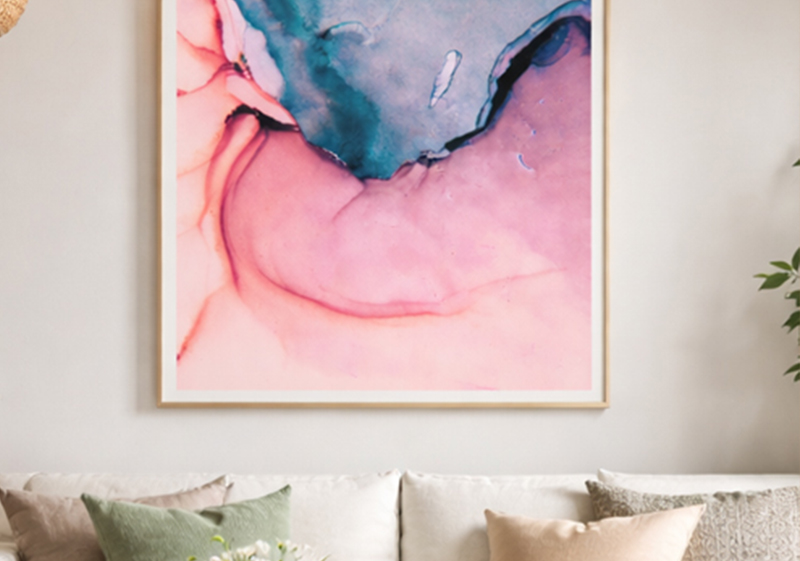
Wall decor is equally vital in this space. Instead of a single small frame, consider a large-scale piece of art or a curated gallery wall to draw the eye upward. Lighting should be layered; a tall floor lamp in a corner and a smaller table lamp on a side surface provide a warm glow for evening relaxation.
The Dining Room Accents
Dining rooms often suffer from looking too formal or stiff. To soften the environment, start with a statement centerpiece for your table. This could be a large handmade vase filled with seasoned branches or a cluster of varied candle holders.
Using candles adds a sense of intimacy and atmosphere during meals. A beautiful table runner in a natural fabric like linen adds a layer of texture without overwhelming the space. These small additions make the dining area feel ready for a gathering at any moment.
Storage pieces like sideboards or bar carts offer excellent surfaces for further styling. Use the surface of a sideboard to display a mirror, which reflects light and makes the room feel more expansive.
Add a few pieces of functional art, such as a sculptural glass decanter or a set of unique bowls. On the walls, consider adding a clock with a bold design or a series of framed prints that tie the color scheme together.
The Bedroom Sanctuary
Your bedroom should be an escape from the world, so your decorative choices should prioritize serenity. The bed is the focal point, so start with high-quality linens and a plush duvet. Add a stack of pillows in varying sizes to create a sense of volume and comfort.
At the foot of the bed, a wooden bench or a soft ottoman provides a functional spot to sit while adding a layer of style. These elements work together to create a room that feels like a high-end suite rather than just a place to sleep.
Nightstands provide a great opportunity for personal styling. Keep them uncluttered by choosing a sleek table lamp and a small dish for jewelry. A single framed photograph or a small vase with a fresh flower adds a personal touch without being distracting.
Mirrors are also essential here, as they bounce light and help you prepare for the day. Finally, consider the window handlings. Heavy, floor-to-length curtains add a sense of height and elegance, while also providing the privacy needed for a restful night.
These thoughtful details turn a standard bedroom into a peaceful sanctuary.
The Kitchen Finishing Touches
Kitchens are primarily functional, but they should still feel styled and integrated with the res of your home. Instead of hiding everything away, display items that are both useful and attractive. A wooden cutting board leaning against the backlash adds warmth to the often-cold surfaces of a kitchen.
Use a ceramic crock to hold your wooden spoons or spatulas, keeping them within reach while adding a touch of handmade charm. These small shifts make the kitchen feel lived-in and welcoming rather than sterile.
Open shelving is a fantastic place to showcase a collection of matching mugs or colorful glassware. Add a small potted herb garden on the windowsill to bring in fresh scents and greenery. For the walls, a vintage-style framed menu or a chalkboard for notes adds a playful element.
Lighting is often overlooked here; adding a small lamp on a counter corner create a cozy mood after the main chores are done. By viewing the kitchen as a room worth styling, you make the daily tasks of cooking and cleaning feel much more enjoyable and inspired.
The Entryway Impression
The entryway sets the tone for your entire home, so it needs to be both organized and stylish as well. A console table is the ideal anchor for this area. Place a large mirror above it to brighten the space and allow for a quick check before leaving the house.
Use a decorative bowl or a small tray to catch keys and mail, keeping the surface clear of clutter. A single, striking lamp provides a welcoming glow when you return home in the evening, making the transition from the outside world feel much smoother.
Underneath the table, a woven basket can hold umbrellas or shoes, keeping the floor tidy. Is space allows, a small bench or a sturdy chair offers a place to sit while putting on footwear. Wall hooks in a modern finish provides a spot coats and bags while acting as a functional design element.
A long run or runner adds a pop of color and protects the floor in this high traffic area. These elements combine to create an entryway that feels intentional and organized, giving guests a warm welcome and a glimpse into your personal style.
The Workspace Vibe
Whether you have a dedicated office or corner of the living room, your workspace needs decor that boosts focus and creativity. Start with a desk lamp that provides directed light without being harsh. Use a desk organizer that matches your aesthetic to keep pens and papers in order.
A mood board or simple wire grid allows you to pin up inspirations, notes, and photos, making the space feel uniquely yours. This visual stimulation can help keep your energy high throughout the long workday.
Incorporate a few non-work items to soften the professional vibe. A small plant on your desk or a piece of art leaning against the wall adds a sense of calm. If you have a bookshelf ready, arrange your books by color or height and intersperse them with small sculptures or bookends.
A comfortable rug under your desk chair adds warmth and helps with sound absorption. By signaling your workspace with the same attention as your living room, you create an environment where you actually want to spend time, resulting in a more productive and pleasant work experience.
The Bathroom Refresh
Bathrooms are often the smallest rooms, but they benefit greatly from intentional styling. Swap out generic plastic dispensers for ceramic or glass soap bottles to immediately elevate the look. Use a wooden or marble tray to group your daily essentials, like perfumes or lotions, making the counter fee organized rather than cluttered.
A stack of fluffy, coordinated towels on a ladder rack or open shelf adds a soft, spa-like texture. These minor changes make a big difference in how the room feels during your morning routine.
Don’t ignore the walls and floors in the bathroom. A small framed print or a waterproof plant like a pothos can add a surprising element of character to a tiled room. A high-quality bath mat in a bold weave provides comfort underfoot and introduces a new tactile element.
If you have a bathtub, a wooden caddy across the upper can hold a book and a candle, turning a simple bath into a next-gen experience.
Curating Your Final Look
As you go through each room, remember that the goal is to create a cohesive flow throughout your home. You do not need to buy everything at once; in fact, it is better to collect items over time as you find pieces that truly resonate with you. Use this checklist as a guide to identify the "gaps" in your current decor.
Perhaps your living room needs a bit more greenery, or your entryway could use a more functional lighting solution. Small adjustments often result to significant improvements in how a space feels.